When Culture Breaks Systems — and What Brands Can Do About It
Rachel Kay | January 2026
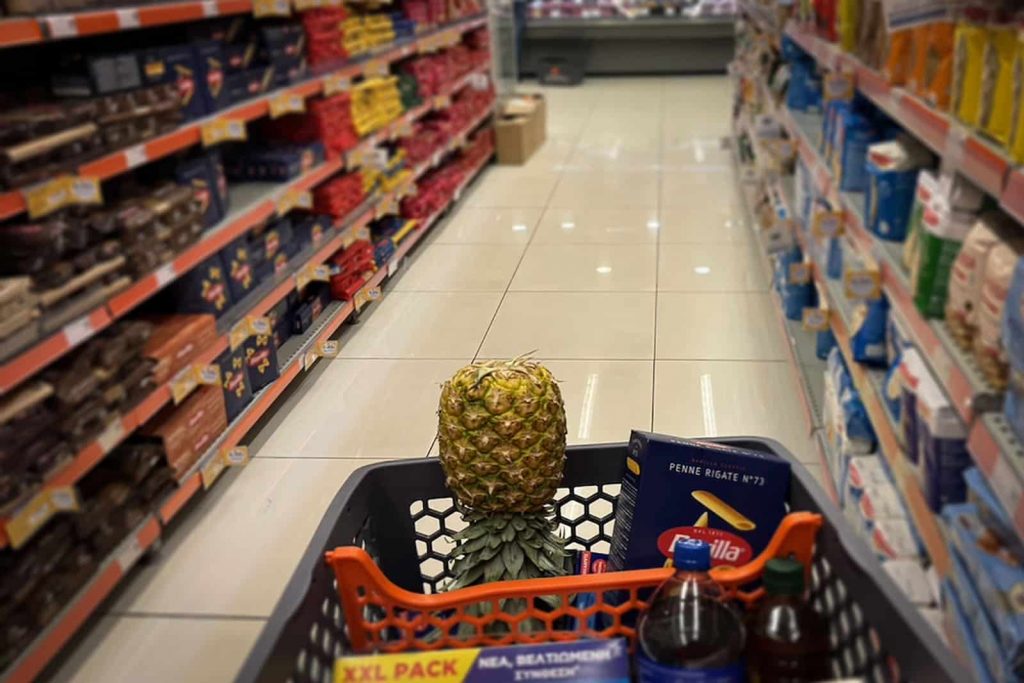
For a few weeks, Mercadona’s pineapple aisle stopped being just another part of the store.
People showed up in the evenings, lingered longer than usual, and treated the fruit section as a social signal. Putting a pineapple upside down in your cart became a shorthand for interest — a playful, low-stakes way to say I’m open to meeting someone. What started as a joke quickly turned into a pattern.
It was funny, visible, and unmistakably cultural.
It was also chaotic.
Shoppers crowded the aisle, employees struggled to manage the flow, and a supermarket designed for efficiency suddenly had to absorb a social ritual it wasn’t built for. The moment revealed something important: when culture moves faster than systems, friction appears — not because the behavior is wrong, but because the environment can’t support it.
That tension is where marketing actually lives.
Cultural Energy Isn’t the Same as Direction
The pineapple trend worked because it was intuitive. It didn’t require explanation, commitment, or coordination. Anyone could participate just by being there. But that same openness made it fragile. Without structure, the energy stayed playful but unproductive, creating attention without a clear outcome.
This pattern shows up repeatedly in digital and physical spaces alike. Cultural moments generate momentum, but momentum alone doesn’t translate into value. Without guidance, people either burn out or move on. The opportunity for brands isn’t to amplify the chaos, but to organize it without stripping away what made it appealing in the first place.
That balance is harder than it sounds.
Structure Doesn’t Have to Mean Control
When something goes viral, the instinct is often to formalize it immediately — add rules, campaigns, and messaging. Most of the time, that’s exactly what drains the life out of it. Culture resists being managed.
But there’s another approach. Instead of trying to own the moment, brands can build rails around it: light structure that gives people a way to continue participating without forcing them into a script.
In Mercadona’s case, the insight isn’t that people want to date in supermarkets. It’s that people are looking for playful, socially acceptable ways to turn routine spaces into moments of connection. The store didn’t create that desire, but it became the stage for it.
The more interesting question isn’t why it happened — it’s what happens next.
Turning Play Into a Loop, Not a Stunt
The most effective brand responses don’t try to resolve cultural moments. They extend them. They give people a next step that feels natural rather than imposed.
Here, that could mean moving the interaction out of the aisle and into a more suitable context — one where movement, routine, and social interaction already coexist. The value isn’t in the pineapple itself, but in the behavior it unlocked.
When brands design for behavior rather than symbols, something shifts. The moment stops being a one-off joke and starts becoming part of a repeatable loop: notice, participate, continue. Culture stays intact, but friction decreases.
Importantly, this isn’t about forcing conversion. It’s about making participation sustainable.
The Collection, Curated in your Inbox.
Beyond the posts—get a deeper look at the trends, tastes, and culture shifts I’m currently tracking. A weekly pulse on what’s worth your time, hand-picked by me.

- Rachel.kay@student.ie.edu |
- Calle de María de Molina, 31, 28006, Madrid